Chimney · North New Jersey

Chimney Liner Installation & Relining in North New Jersey

Stainless steel liners for damaged clay flues, unlined older chimneys and heating-system conversions, sized correctly for the appliance they serve.

  • Licensed & Insured
  • Free Estimates
  • Mon – Sat: 9:00 AM – 8:00 PM
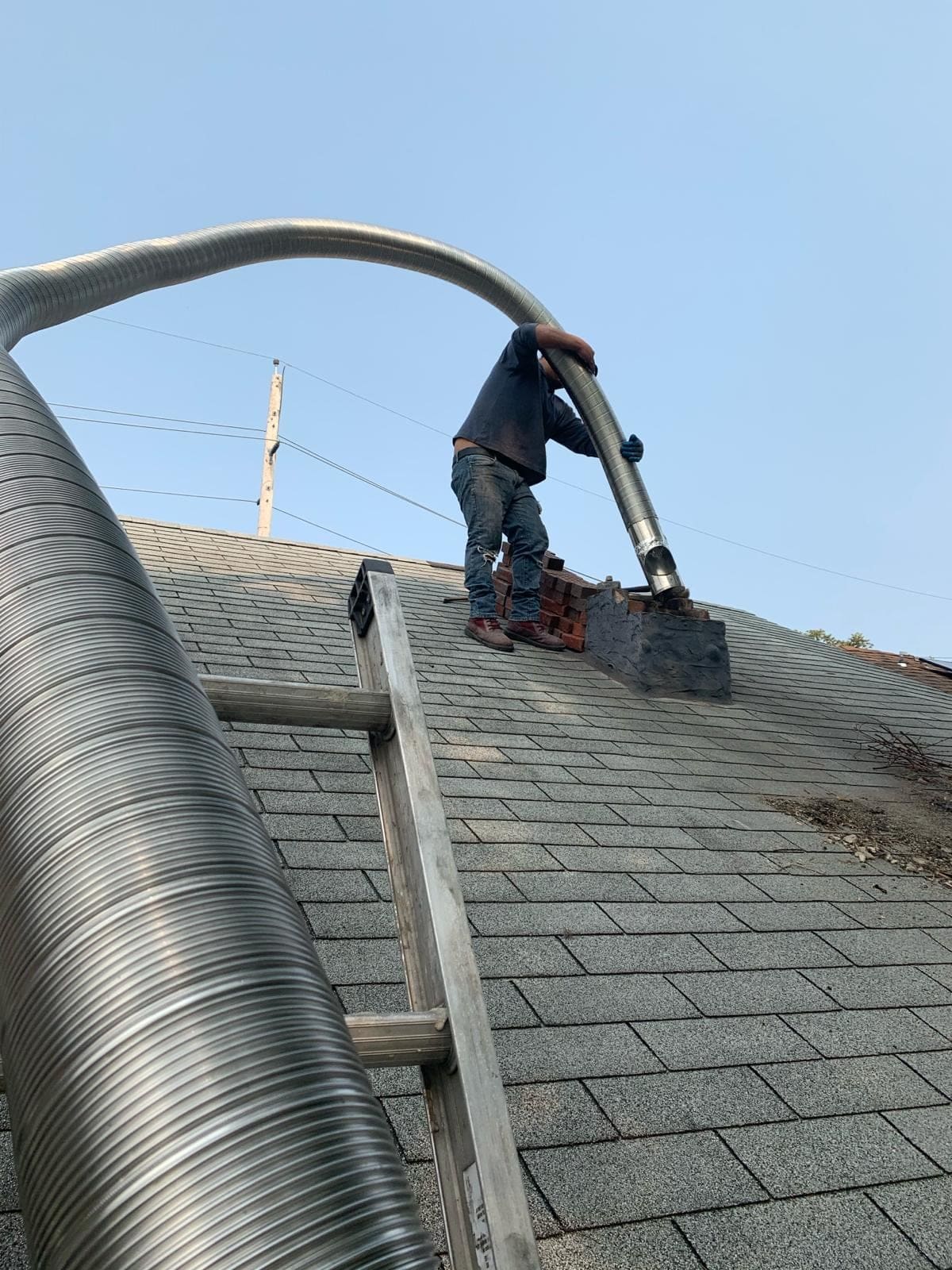
Technician feeding a stainless steel liner into a masonry chimney

The liner is the part of the chimney that actually carries smoke and exhaust gases out of the house. It protects the brick from heat and acid, keeps carbon monoxide out of living space, and gives combustion byproducts a smooth path out. When a liner is cracked, missing sections or sized wrong for the appliance, the chimney is not doing its job no matter how good it looks from the street.

Asset Roofing & Chimney installs and replaces chimney liners across North New Jersey. Most of our liner work falls into three groups: relining masonry chimneys whose clay tile liners have cracked or crumbled, lining older chimneys that were built with no liner at all, and installing correctly sized liners when a home converts from oil to gas or upgrades to a new furnace or water heater. In each case we match the liner material and diameter to the appliance and the flue.

A damaged liner usually reveals itself through an inspection rather than a symptom. Pieces of clay tile in the firebox, a strong odor after rain, or a furnace technician flagging the flue are the common prompts. If any of these apply, or if you are planning a heating conversion, have the flue checked before the next heating season.

What chimney liners from Asset includes

  • Flue inspection, including a camera scan of the existing liner where needed
  • Measurement and sizing of the liner for the specific appliance or fireplace
  • Stainless steel liner systems for wood, oil and gas applications
  • Removal of broken clay tiles where required to fit the new liner
  • Insulation of the liner where the application calls for it
  • New top plate, rain cap and bottom connection to the appliance or firebox
  • Repair of the crown or masonry around the flue opening if it is damaged
  • Documentation of the installed system for your records
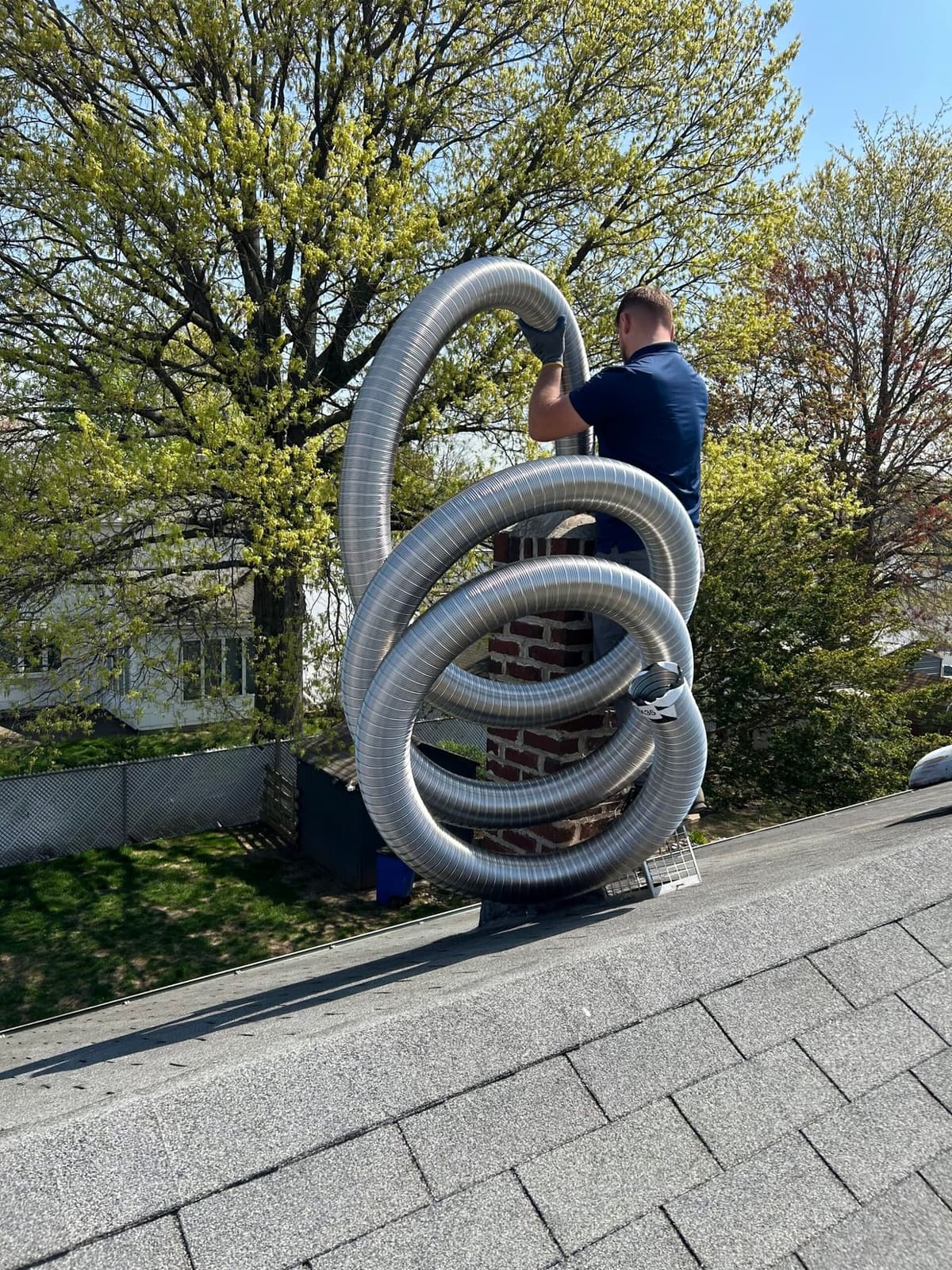
Coiled stainless steel chimney liner ready for installation

Our Work

Chimney Liners: our crews at work

Real photos from Asset Roofing & Chimney jobs across North New Jersey.

Coiled stainless steel chimney liner ready for installation
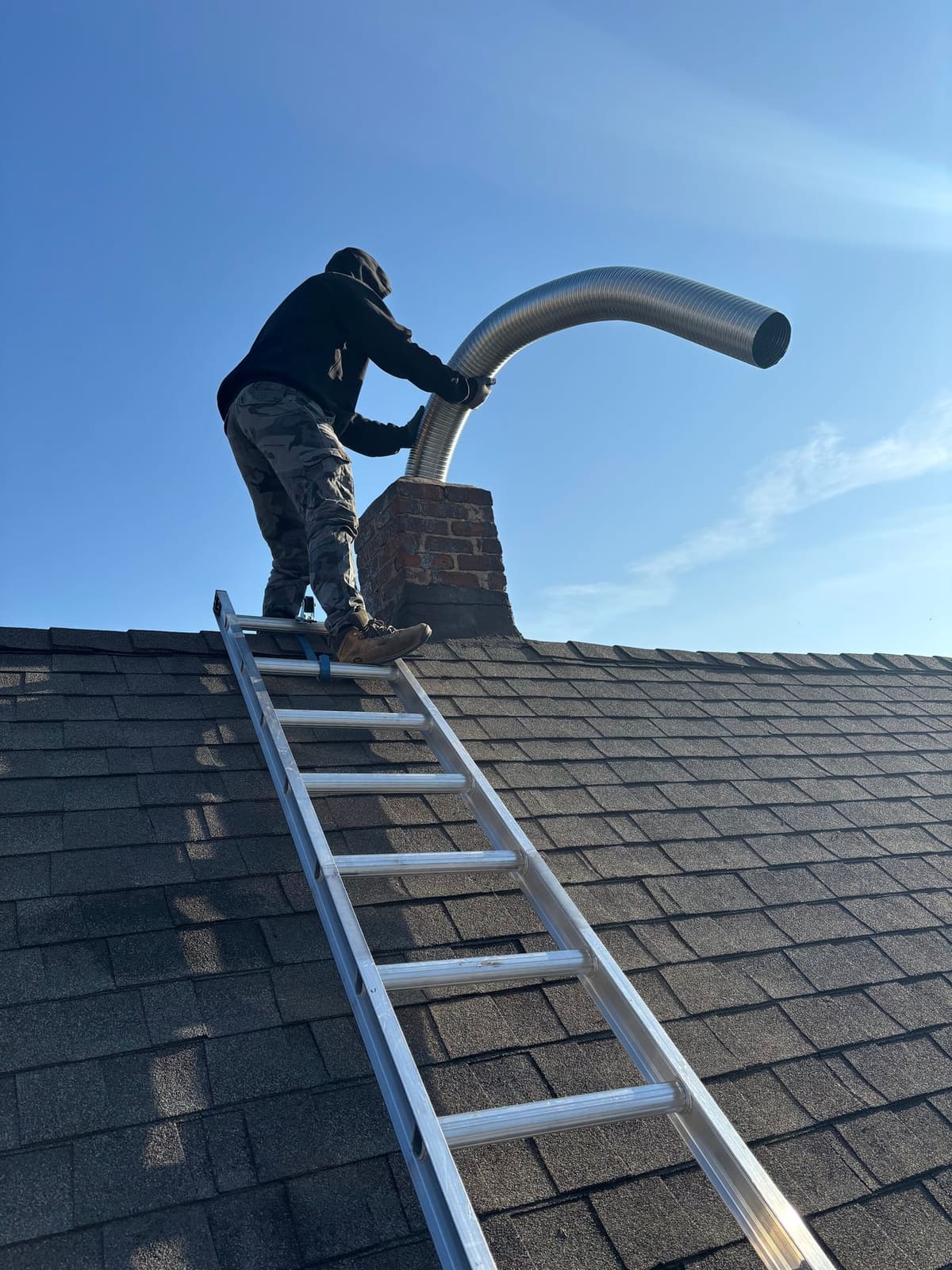
Flexible stainless chimney liner being inserted from the roof
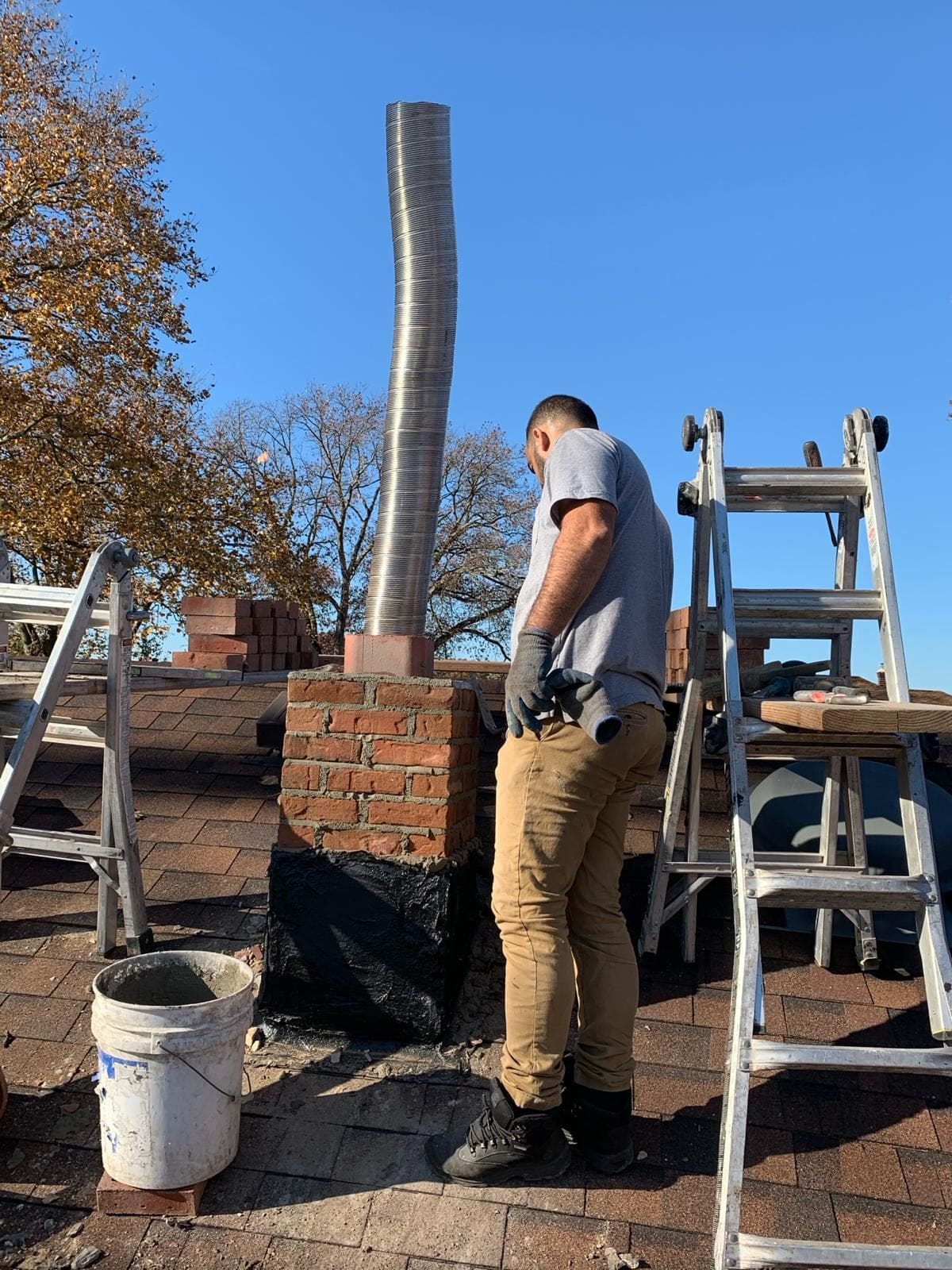
Stainless liner installed into a rebuilt brick chimney

Common Problems

Signs you may need chimney liners

Cracked or crumbling clay tiles

Clay tile liners were standard for decades, but they crack under thermal shock, settle out of alignment and erode from acidic condensate. Gaps between tiles let heat and gases reach the brick and the framing beside it. Shards of tile in the firebox are a clear sign.

No liner at all

Many chimneys in North Jersey's older housing stock were built before liners were required. Bare brick exposed to exhaust deteriorates from the inside out, and mortar joints in the flue can open enough to let gases into the house. These chimneys need a liner before they are used.

Gas or oil conversion

Modern gas appliances send cooler, wetter exhaust up the flue than the oil burners they replace. In an oversized clay flue, that moisture condenses, soaks into the masonry and eats the mortar. A properly sized stainless or aluminum liner solves it and is typically required by the appliance manufacturer.

Odors and staining after rain

A sharp, smoky or sour smell when it rains, or dark staining bleeding through the chimney breast, often means condensate and creosote are soaking through a failed liner into the brick. The staining is cosmetic; what is causing it is not.

Rusted damper or firebox

Rust on the damper, firebox or appliance connector means moisture is making its way down the flue. That can point to a missing cap, but it can also indicate a liner that is letting condensate collect where it should be draining away. Both are worth checking at the same time.

Our Process

How chimney liners works with Asset

  1. 01

    Inspect and measure

    We scan the existing flue, note any breaks or offsets, and measure the length and diameter. The liner size is driven by the appliance it serves, so we also confirm the BTU rating and venting requirements.

  2. 02

    Prepare the flue

    Broken clay tiles are cleared out if they would block the new liner. The flue is swept so debris does not end up trapped behind the new system.

  3. 03

    Install and connect

    The stainless liner is lowered from the top, insulated where appropriate, and connected to the appliance or firebox below. A top plate and cap seal the flue opening against rain.

  4. 04

    Test and document

    We confirm draft, check every connection, and leave you with a record of the liner type and size for future service and resale.

Honest Guidance

Repair or Replace?

When the existing liner can be repaired

  • One or two clay tiles are cracked and the rest of the flue is sound and aligned
  • Mortar joints between tiles have eroded but the tiles themselves are intact
  • The flue is correctly sized for the appliance and only needs localized attention

When relining is the right answer

  • Tiles are cracked, shifted or missing along much of the flue
  • The chimney was built without a liner
  • The appliance has changed and the old flue is the wrong size for the new exhaust
  • There has been a chimney fire, which can fracture tiles invisibly along their length
About our replacement service

Tile-by-tile repair is possible, but access is difficult and the surrounding tiles are usually the same age and condition. A full stainless liner is often the more durable choice for the money.

Special Offers

Current offers for chimney liners

Chimney $250 Off

$250 Off a Chimney Rebuild or Stainless Liner

Save $250 on a chimney rebuild from the roofline up or a new stainless steel liner installation. Both include a written inspection report with photos.

Request Chimney Service
Mention code CHIMNEY250 Expires Dec 31, 2026 Applies to chimney rebuilds and full liner installations. One offer per household. Cannot be combined with other offers. Must be mentioned before the estimate is signed. Valid for new contracts in our North New Jersey service area.
Roofing & Chimney 10% Off

Veterans, Active Military & First Responders: 10% Off

Thank you for your service. Veterans, active-duty military, police, firefighters and EMS receive 10% off any roofing or chimney job, repair or replacement.

Claim Your Discount
Mention code SERVICE10 No expiration Valid ID or proof of service required. Discount up to $1,500 per project. One offer per household. Cannot be combined with other offers. Must be mentioned before the estimate is signed. Valid for new contracts in our North New Jersey service area.

Service Areas

Chimney Liners across North New Jersey

We serve every municipality in these ten counties.

FAQ

Chimney Liners questions, answered

How do I know if my chimney needs a new liner?

Usually an inspection tells you. The warning signs you might notice on your own are pieces of tile or flakes of gray material in the firebox, a persistent smell after rain, white or dark staining through the chimney wall, or a heating contractor refusing to connect a new appliance to the existing flue. Houses built before the 1950s may have no liner at all.

Do I need a new liner when I convert from oil to gas?

Very often, yes. Gas exhaust is cooler and carries more water vapor than oil exhaust, and in a large masonry flue it condenses before it can exit. That condensate is mildly acidic and attacks mortar and clay tile. A correctly sized liner keeps the exhaust moving and protects the chimney. Your appliance installer and the local code official will typically require it.

What is a chimney liner made of?

Older chimneys use terra-cotta clay tiles. Relining today is usually done with flexible or rigid stainless steel, chosen in a grade suited to the fuel: wood and oil need a heavier alloy than gas. Aluminum liners are sometimes used for gas appliances only. Cast-in-place liners are another option for badly damaged flues. We will explain which fits your chimney and why.

How long does a liner installation take?

Most residential liners are installed in a single day. Jobs run longer when clay tiles have to be broken out to make room, when the flue has sharp offsets, or when crown or masonry repair is needed at the top. We give you a realistic timeline with the estimate.

What drives the cost of a chimney liner?

The main factors are the length and diameter of the flue, the grade of stainless steel required for the fuel type, whether the liner needs insulation, and how much preparation the existing flue needs. A straight flue that accepts a liner easily is a simpler job than one with broken tiles that must be removed first. Estimates are free and spell out each component.

Can you line a chimney that serves a furnace and a water heater?

Yes. Shared flues are common in older homes and need careful sizing so both appliances vent properly. We size the liner for the combined load and the specific appliances involved, and we coordinate with your heating contractor when a new unit is going in at the same time.

Free Estimates · Licensed & Insured

Ready to talk about chimney liners?

Tell us what you are seeing. We will come out, take a look, explain what we find, and give you a free written estimate. No pressure.

Get a Free Liner Estimate (201) 727-3113

Mon – Sat: 9:00 AM – 8:00 PM